





The Causes of impotence These are among the most sensitive, but also most important health topics for men of all ages. Many sufferers are embarrassed or reluctant to talk about it, although most cases are treatable. This detailed guide explains the most common Causes of impotencemedical and mental triggers, risk factors, diagnostic methods and modern treatment options.
Impotence – medically also called erectile dysfunction (ED) – means that the man has permanent difficulties getting or keeping an erection. The Causes of impotence can be physical, psychological or a combination of both factors. In order to find the right solution, it is crucial to understand the triggers exactly.
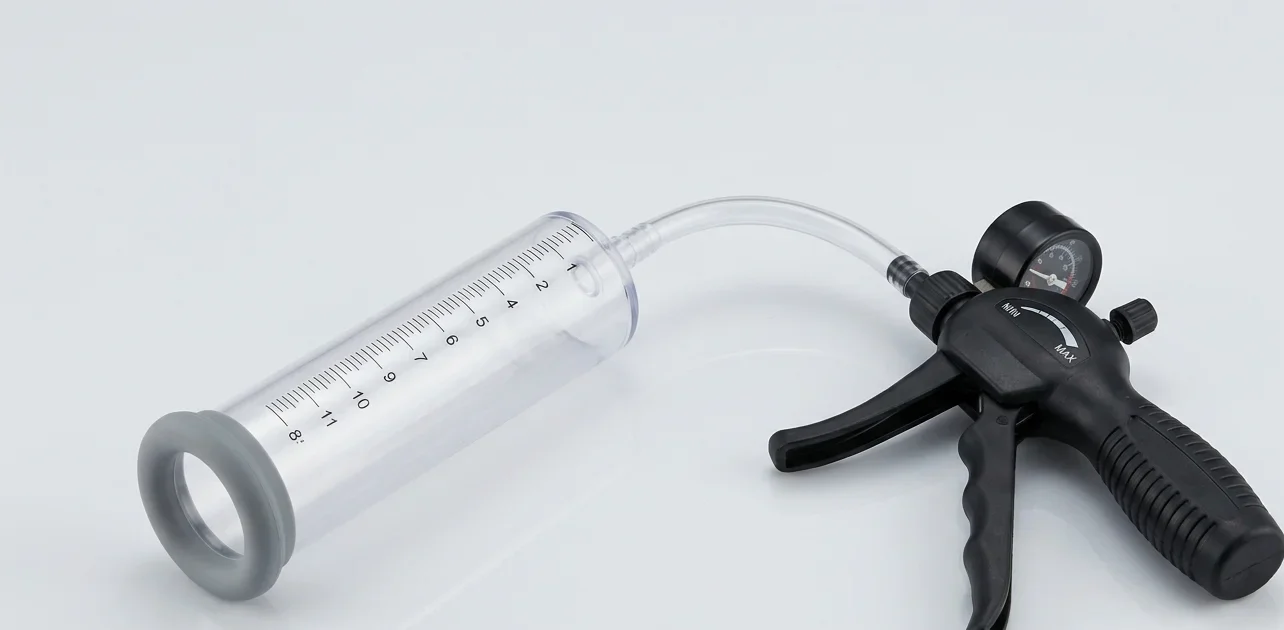
To help with physically conditioned impotence, many men also rely on medical aids. One known option is the Penixtend, a tested vacuum pump for strengthening erectile function and blood flow optimization.
Impotence does not just mean the total absence of an erection. It includes several disturbances:
Difficulty achieving an erection
Problems keeping the erection long enough
Decreased sexual performance
Low blood flow to the penis
Loss of spontaneous morning erection
The earlier those affected act, the better the chances of success. In most cases, there is a physical cause behind it – and exactly this Causes of impotence Now let's look at the details.
Medical or physical triggers are the most common Causes of impotence. They affect blood flow, nerve function or hormone balance.
One of the leaders Causes of impotence is a disturbed blood flow. When the arteries are narrowed, less blood enters the penis.
Typical reasons:
Arteriosclerosis
High blood pressure
Heart failure
Cholesterol constrictions
Important: Impotence can be an early warning signal for future heart problems.
Diabetes damages blood vessels and nerves for years. 35-75% of all diabetics develop erectile problems.
Limited nerve sensitivity and reduced blood flow are among the strongest Causes of impotence for men over 40.
Low testosterone levels lead to:
Lower libido
weak erections
Energy and power loss
depressive moods
Hormonal disorders are an often underestimated cause. Especially men from 35 to 40 are affected.
The brain and nervous system control the course of an erection. Diseases such as:
Multiple sclerosis
Parkinson's disease
Stroke
spinal cord injury
can interfere with signal transmission. This causes erection problems, even if the blood flow is good.
Many drugs have as a side effect the inhibition of erectile function:
Blood pressure lowerers
Antidepressants
Tranquilizers
Anti-cancer drugs
Hormone blockers
If complaints suddenly appear after a new drug, this is often a clear trace.
Both deteriorate testosterone levels, blood circulation and lead to metabolic problems. Overweight is one of the most common modern Causes of impotence.
Penixtend for better circulation
Not all complaints are physical. Stress and mental stress are strong Causes of impotenceEspecially in younger men.
Stress blocks the relaxation necessary for an erection. The brain switches to "survival mode," which reduces the body’s sexual functions.
Many men suffer from:
Fears of failure
Too high expectations
Negative sexual experience
Fear of disappointing the partner
This often leads to repeated problems.
Depression changes brain chemistry. Loss of libido and lack of erection are among the typical symptoms.
https://www.clevelandclinic.org
Emotional distance, conflicts or communication problems burden the psyche. This directly affects sexual function.
These Causes of impotence are particularly common, but often easy to fix:
Smoking
Alcohol abuse
Drug use
Lack of sleep
Pornography
Unhealthy nutrition
Permanent stress
Smoking narrows blood vessels and reduces nitric oxide levels – both lead to weak erections.
A doctor uses several methods:
Blood tests (testosterone, sugar, cholesterol)
Doppler ultrasound
Nerve test
Psychological analysis
Medical history and course of disease
Only when the exact cause is clear can the best therapy be chosen.
The Good News: Almost All Causes of impotence are treatable.
PDE-5 inhibitors such as Viagra or Cialis improve blood circulation.
Sport
Nutrition
Less stress
Stopping nicotine
One of the most effective side-effect-free solutions is the vacuum pump. The Penixtend It promotes blood flow and can help both in the short and long term.
L-arginine
Ginseng
Zinc
Vitamin D
Ashwagandha
These substances improve energy, testosterone and blood circulation.

Sport at least 3x per week
Reducing alcohol
Stress management
Good sleep hygiene
regular blood tests
Balanced nutrition
Even small changes bring great progress.
The Causes of impotence are diverse – from physical illnesses to psychological distress or unhealthy habits. Regardless of whether it is Causes of impotence When it comes to diabetes, hormone fluctuations, nerve damage or stress, there are effective solutions in almost every case.
Modern approaches such as vacuum pumps, including the Penixtend pump, offer a safe way to rebuild erectile function – combined with lifestyle optimization and medical treatment.
If the problems persist for more than three months, professional help is highly recommended. The sooner you act, the better the chances of full restoration of sexual health.
The most common causes of impotence are stress, diabetes, high blood pressure, hormonal imbalances and cardiovascular disease. Lifestyle factors such as smoking, alcohol or excess weight can also play a role.
Yes, many medications can have side effects on sexual function. These include certain blood pressure medications, antidepressants, and cholesterol-lowering drugs. PeniXtend product experience
Impotence is often treatable. Lifestyle changes, targeted exercises or medical treatments can improve function. German Society for Urology
Natural methods include regular exercise, healthy eating, stress management and use of devices such as PeniXtendto improve circulation and erectile function.
If impotence persists for more than a few weeks or is accompanied by other symptoms such as pain, erectile dysfunction or hormonal problems, it is essential to consult a doctor.