



tail extension operation: run, realistic results, risks and alternatives
What is a tail extension operation? A tail extension by operation (e.g. ligmentolysis) cuts through the suspended penis band, making more visible from the shaft lying in the body. The gain in rest length is usually 1–3 cm, often less in the original state. The procedure involves risks such as instability and is not suitable for everyone.

What is
tail extension
Operation?
Under tail extension operation you understand various surgical procedures that aim to increase the visible penis length.
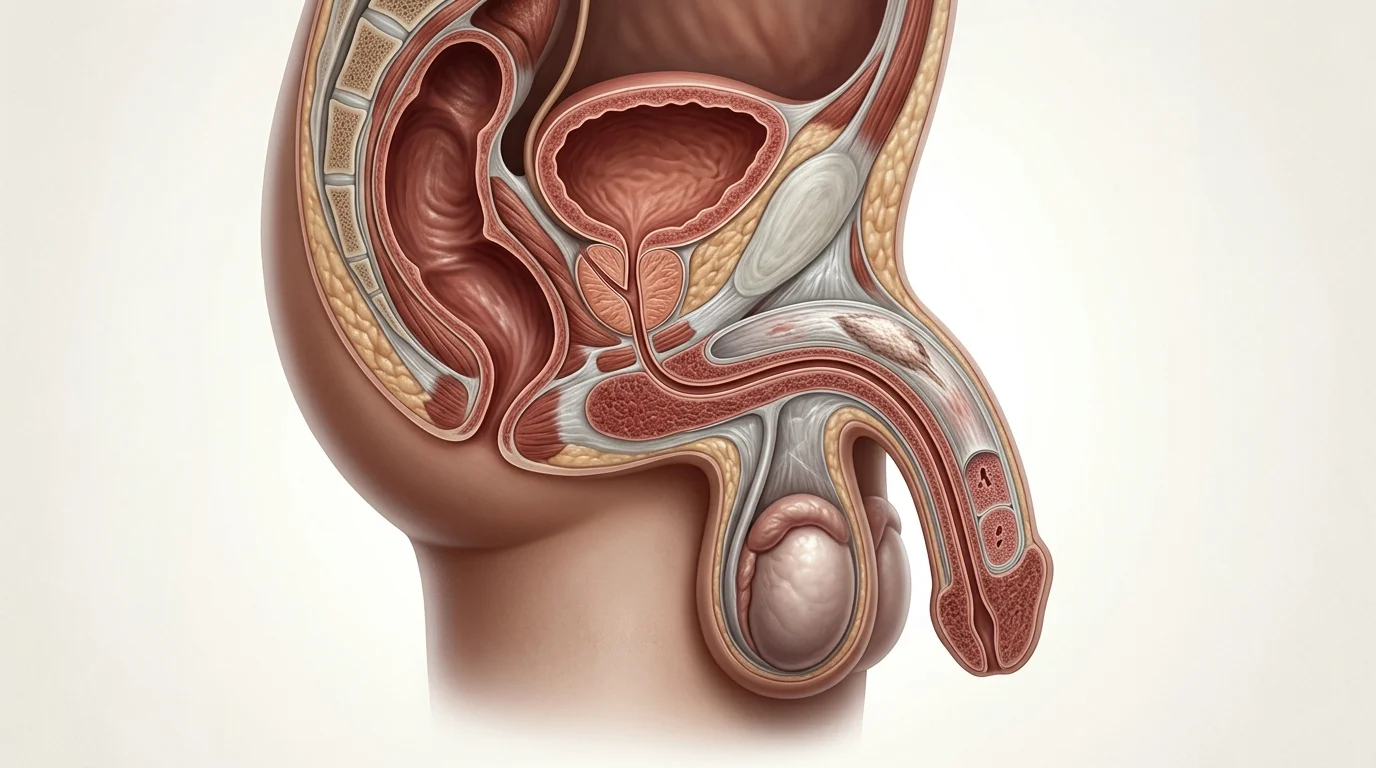
The term ‘tail extension operation" brings together several surgical approaches from urology and and andrology that aim at a visible extension of the penis. The best known method is the ligmentolysis, in which the suspensoric ligament – a band that fixes the penis root on the pubic bone – is severed. As a result, a part of the shaft, which was previously located within the body, moves outwards.
In addition, part Fat transfer or Dermal Filler for circumferential enlargement for use, less often combined with extension techniques. Important for understanding: These methods do not alter the actual tissue length of the penis, but the visible, outwardly projecting length. Studies indicate that the perceived gain depends strongly on the individual anatomy – Results vary individually and are not the same for each patient.
A misunderstanding that many patients bring with them: they expect a proportional gain even in the original state. In fact, the effect of ligmentolysis mainly relates to the resting length (sleep state), since the band mainly influences the angle and the position in the resting state.
Who's looking for a tail extension OP?
Not everyone who is unsatisfied with his penis length is a suitable candidate for surgery. Specialist companies such as the European Association of Urology (EAU) distinguish between:
- Medical indication: for example, micropenis (a urologically defined, rare deviation from the standard length), innate malformations or condition after trauma/operation.
- Cosmetic desire without medical need: There is special restraint here, since the intervention is then primarily psychologically motivated.
One aspect that is often too short in the consultation: a relevant part of the men who wish to extend is anatomical in the standard range. Here, a body-dysmorphic perception (partially within the framework of a so-called penile dysmorphophobia) can play a greater role than the actual anatomy. Serious clinics and urologists should consider or at least appeal to a psychological clarification before an OP recommendation – not everyone benefits from an operating intervention if the underlying dissatisfaction is not primarily physical.
Is my penis size normal?
Many men deal with one tail extension operation, although her penis size is medically considered in the standard range. Investigations show that the average penis size is often underestimated and many men compare their own penis length with unrealistic ideas.
Therefore, before an operational decision, it should first be clarified whether a medical indication – for example a micropenis – present or whether psychological factors and unrealistic expectations influence dissatisfaction.
How's the procedure going?
The typical sequence of ligmentolysis is roughly divided into:
- Preliminary examination: Anamnese, physical examination, partial exclusion of psychological factors.
- Enlightenment talk: Realistic expectation control, risk assessment.
- Intervention: outpatient or short-stay, usually under general anaesthesia or regional anaesthesia; Separation of the ligament, partly fixation of the tissue for stabilization.
- Aftercare: Traction therapy (train or stretching exercises, partly with a penis extender) for weeks to months to stabilize the result and minimize retraction (retraction).
A point that many patients underestimate: The surgical procedure itself is often only half the work. Without consistent aftercare with traction therapy, the surgical effect can partially regenerate, since scar tissue can shorten the band again.
Which results are realistic?
Honesty is particularly important here, as expectation management is one of the biggest factors of influence on patient satisfaction.
- The gain in rest length is often 1–3 cm.
- In the solid state, the effect usually falls Less as in rest length.
- Success depends heavily on individual anatomy, aftercare compliance and the chosen technique.
Further research is necessary to make long-term success rates comparable across different clinics and techniques – the data position is limited in comparison with other urological interventions. Patients should critically question clinics that promise flat-rate or particularly high centimeters.
What are the risks?
As with any surgical procedure, there are general surgery risks (infection, post-bleeding, anesthesia incidents) and process-specific risks:
- Instability of the penis in the rest position (changed angle, "Wackelpenis" phenomena)
- Scarringwhich can partially reverse the effect
- Sensitivity changes
- Dissatisfaction with the result, when expectations and results fall apart
- Rare: erectile dysfunction
One aspect that is often lacking in advertising material: revision operations are not rare in dissatisfied patients, which means additional costs and risks.
How long does healing last?
Acute wound healing usually takes 1–2 weekssexual activity is often only after 4–6 weeks released again. The full, stable end result often shows only after 3–6 monthsSince the accompanying traction therapy must be continued over this period in order to ensure the result.
What alternatives exist?
Non-operative options come into question for many men, especially if there is no medical indication or if the risk of an operation is to be avoided:
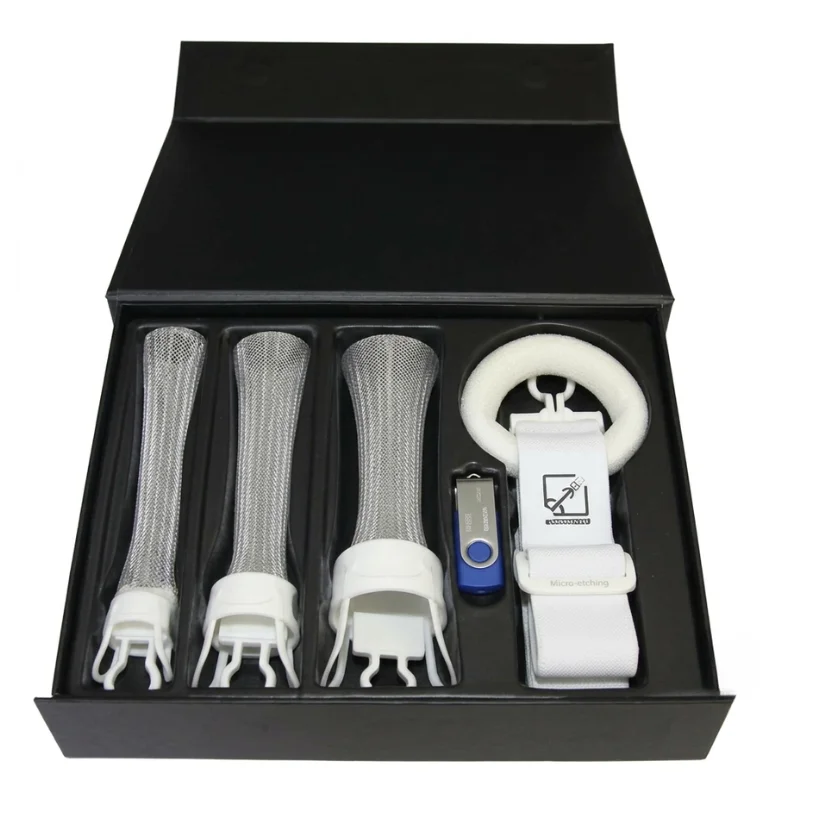
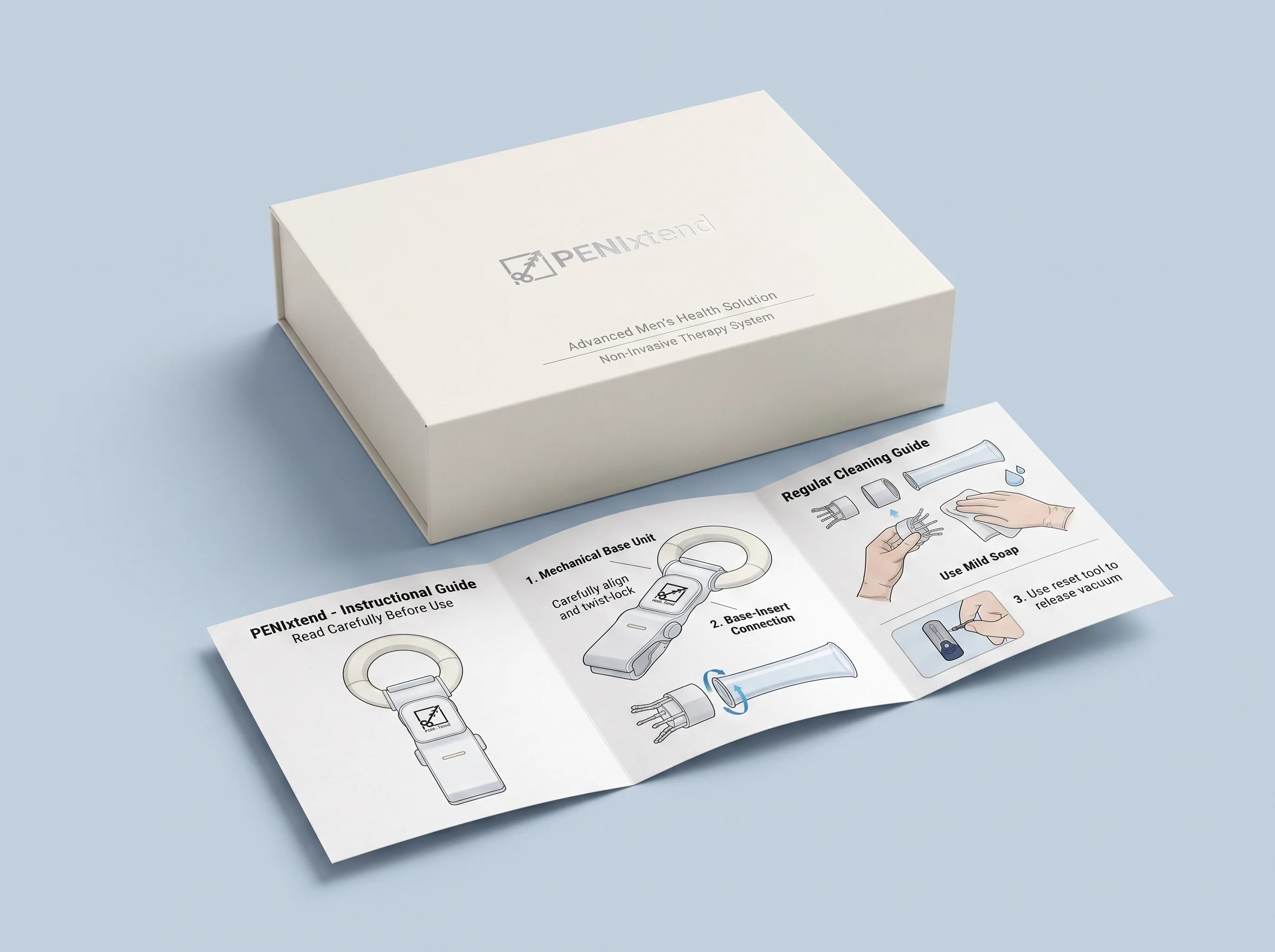
- Penis Extender / Traction Equipment: Continuous, gentle train for weeks to months; non-invasive, but time-consuming and with variable results.
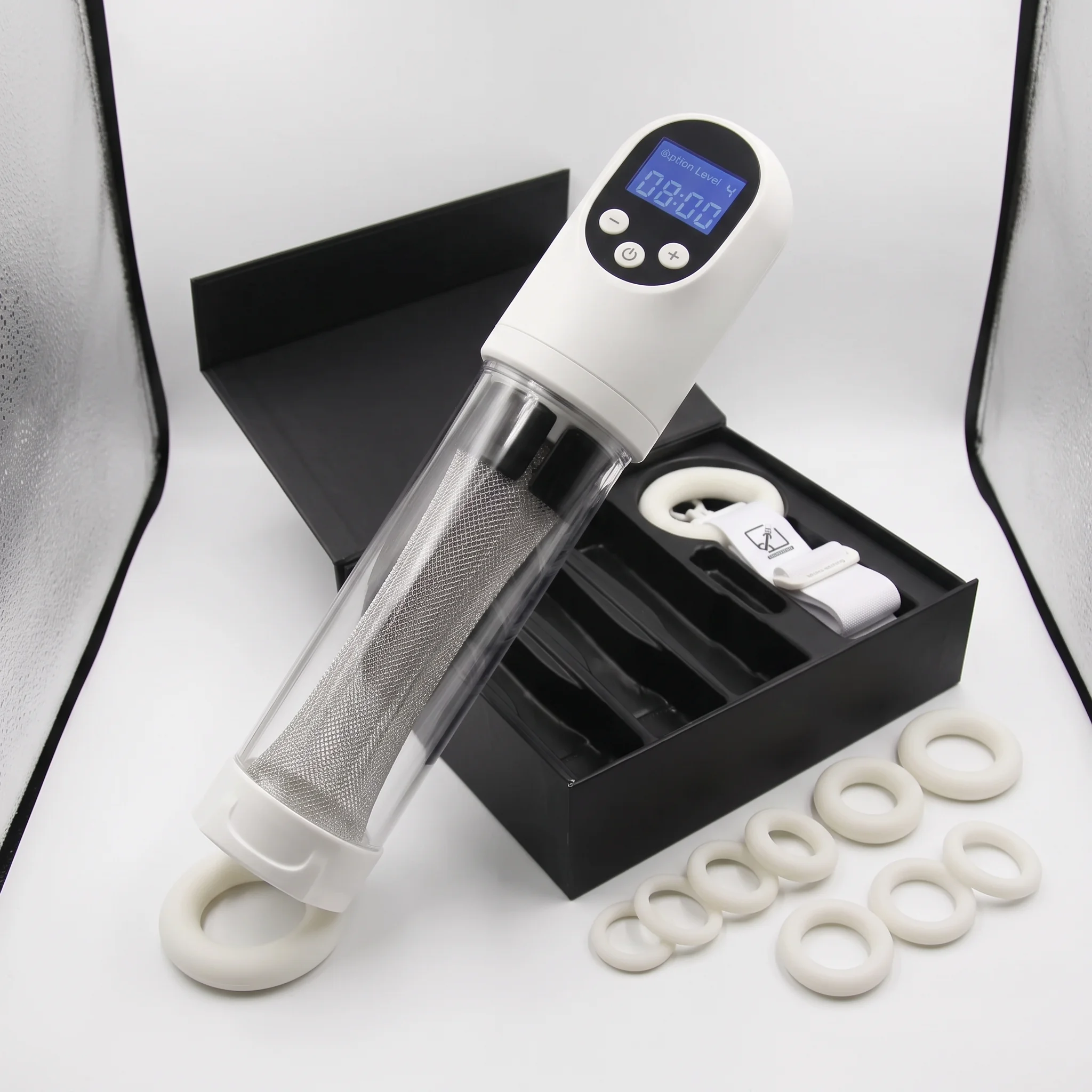
- tail pump (vacuum pump): In the short term, the increase in volume and hardness is produced by negative pressure; it is often used for erection support rather than for permanent extension. A lasting gain in length is not scientifically solid.
- Traction therapy as an independent method: Similar to the extender principle, partly clinically accompanied.
- Beckenbodentraining: Can improve the subjectively perceived functionality without changing the length.

Natural Methods vs. Operation
„Natural tail extension" usually refers to non-surgical approaches such as traction devices, exercises or supplements. Important for classification: Serious studies on manual stretching exercises or dietary supplements have not yet shown reliable, reproducible evidence for a lasting length gain. Traction devices (penisextenders) have, in comparison, better evidence among non-operative methods, but have a much slower effect than an operation and require high discipline over several months.
When should you look off an surgery?
An operation should be aside if:
- the penis length is objectively in the standard range and there is no medical indication,
- there is an unrealistic expectation of the result,
- mental stress is in the foreground (here a counselling by a psychotherapist may be more useful than a surgical intervention),
- a clinic does not offer detailed risk education or makes unrealistic centimeter promises,
- there are relevant pre-existing conditions (e.g. clotting disorders, uncontrolled diabetes) that increase the risk of surgery.
How do you make an informed decision?
An informed decision should be based on several pillars: a urological examination to determine whether a medical indication is available, an honest educational interview about realistic outcomes and risks, an honest self-reflection on whether the dissatisfaction is primarily physical or psychological, and a Comparison of costs and benefits between operational and non-operational options. A second opinion with an independent urologist or andrologist is generally recommended in an elective, partly cosmetically motivated intervention of this magnitude.

Conclusion
One tail extension operation may be an option in certain cases, but should never be considered a simple or risk-free solution. Realistic expectations, specialist advice and careful consideration of risks and benefits are crucial. For some men, conservative alternatives such as traction therapy or penis extenders may be a worth considering option.
Comparison tables
Operation vs. Penis Extender
| Criterion | Operation (Ligamentolysis) | Penis extenders |
|---|---|---|
| Invasivity | Surgical intervention | Non-invasive |
| Time frame to result | Weeks to months (including aftercare) | Months to over one year |
| Expected profit | Approximately 1–3 cm rest length, individually variable | Individually variable, usually moderate |
| Risks | OP risks, scarring, instability | Low, in the case of incorrect application, pressure points/irritations |
| Reversibility | Not to be undone | Reversible (no permanent intervention) |
| Required discipline | Aftercare needed | High (daily, long-term use) |
Operation vs. Tail Pump
| Criterion | Operation | Vacuum pump |
|---|---|---|
| Objective | Permanent structural change | Mostly short-term erection/extension support |
| Scientific evidence | Limited but documented procedures | Not solidly evidenced for permanent extension |
| Risks | OP risks | Slight when used correctly, bruising at overpressure possible |
| Costs | Significantly higher | Comparatively small |
Surgical vs. Natural tail extension
| Criterion | Surgical | Naturally (traction/exercises) |
|---|---|---|
| Speed | Fast visible effect | Slowly, for months |
| evidence | Documented, but limited data | Very different per method |
| Risk of intervention | Available | Minimum |
| Costs | High | Low to moderate |
Cost and risk comparison (overview)
| Methodology | Budget (approximately) | Risk level |
|---|---|---|
| Operation (Ligamentolysis) | The cost of one tail extension operation In Germany, they are often between 3,000 and 10,000 euros. The actual price depends on the clinic, technology, aftercare and possible additional procedures. | Medium to higher |
| Penis extenders | Low to moderate | Low |
| Vacuum pump | Low level | Low |
| Food supplements | Low (current costs) | Low, but often without proven benefit |
Note: Cost information are rough guidelines and vary considerably depending on the clinic, technology and region.
Cost of Tail Extension Operation
Costs vary depending on the clinic, procedure and scope of treatment.
In Germany, the Total costs often in the range of several thousand euros.
Since it is usually an aesthetic intervention, statutory health insurance companies generally do not accept the costs.
FAQ section
1. Is Tail Extension Surgery Painful?
During the procedure, there is usually no perception of pain due to anesthesia/numbing. In the healing phase, pain and tension can occur, which can be well controlled with painkillers.
2. How many centimeters can you really gain?
Realistic are usually 1–3 cm in rest length; In the erect state often less. Centimeter promises clearly about this should be critically questioned.
3. Is the procedure permanent?
The surgical change itself is permanent, but the visible result can partially decline without consistent follow-up care (traction therapy).
4. Does the health insurance cover the costs?
In the case of a purely cosmetic indication usually not. In the case of a medically justified indication (e.g. Micropenis) is a Cost coverage possible in individual cases and to clarify with the cashier.
5. At what length do you medically speak of a Micropenis?
One Micropenis is urologically defined and is well below the statistical norm values; The exact classification should be made by a urologist, not by self-diagnosis.
6. Does the operation affect erectile function?
In rare cases, functional impairments are possible. A detailed risk information before the procedure is essential.
7. How is the operation different from a tail pump?
The operation changes structurally anatomical conditions, a vacuum pump acts in the short term via negative pressure and serves primarily for erection support, not permanent extension.
8. How long do I have to wear an extender after the operation?
Frequently, traction therapy over several weeks to months is recommended to stabilize the result – the exact duration is determined by the treating doctor.
9. Can I return to normal sports after the operation?
Physical sparing is necessary in the first weeks; the exact release for sport is done individually by the attending physician.
10. is a natural tail extension Effective at all?
Traction-based methods show the comparatively best evidence among non-operative approaches, but have a slow effect. For many advertised exercises or supplements, solid scientific confirmation is lacking.
11. What happens if I am dissatisfied with the result?
Revision interventions are possible, but entail additional risks and costs. A realistic expectation management before the first operation is therefore crucial.
12. Which doctor is responsible for the consultation?
A specialist in urology or andrology with appropriate experience in genital surgery is the right place to go.
13. Is the operation ambulatory possible?
Depending on the clinic and technology, both an outpatient and a short-term inpatient procedure is common.
14. Is there an age limit for the procedure?
The procedure is usually considered only after completed body growth; a blanket upper age limit does not exist, health requirements are checked individually.
15. How do I recognize a serious clinic?
Serious providers transparently clarify risks, do not make excessive centimeter promises and recommend psychological clarification before the procedure if necessary.
16. Is a tail extension operation permanently visible?
The operational effect can be permanent. Without consistent follow-up care and traction therapy, however, part of the visible gain can be lost again.