Stiff penis: causes, treatment & tips
One Stiff penis It is a central element of male sexuality. Problems such as penis does not become stiff or penis does not remain stiff It affects many men and can significantly affect self-confidence, partnership and quality of life. In this comprehensive article, you will learn all about the causes, diagnosis, treatment, prevention and tools to sustainably improve erectile function.
Introduction
The ability to make a Stiff penis Getting and maintaining it depends on a complex interplay of nerves, hormones, blood vessels and mental health. A healthy penis signals not only sexual performance, but also the general health of the man ()More about the connections at Healthline).
Erection problems are common: according to studies, about 20-30% of men over 40 suffer from erectile dysfunction. Causes can be physical, hormonal or psychological in nature.
In this article we will:
The physiological basis of a Stiff penis explain,
analyze the most common causes of erection problems,
present treatment options and tools,
explain prevention strategies,
answer FAQs and provide scientifically sound information.
How does a stiff penis develop?
Physiology of erection
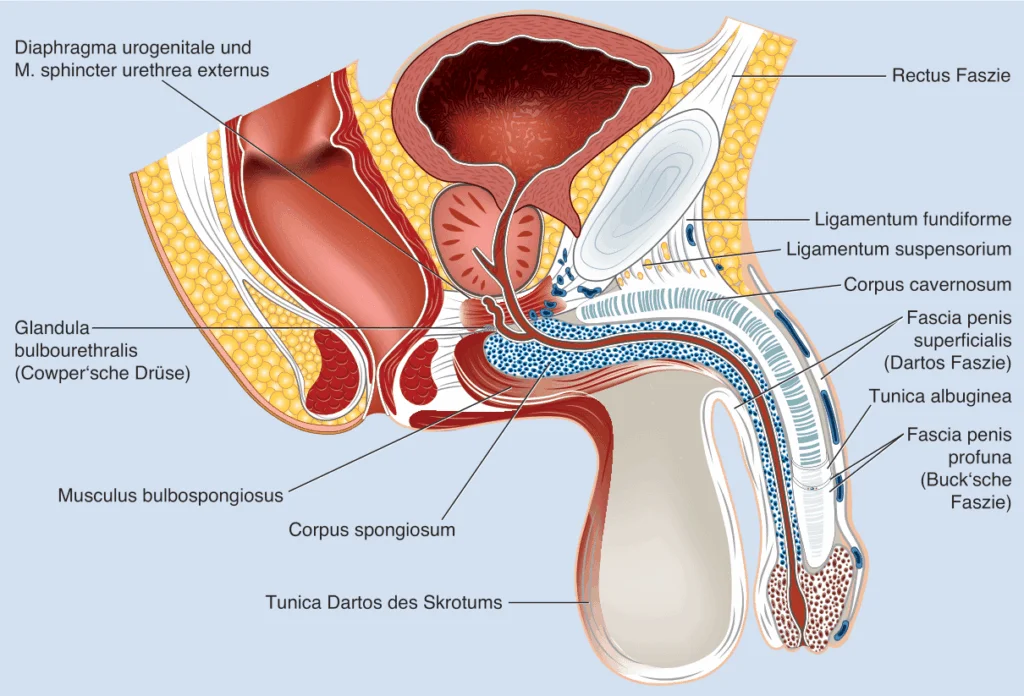
One Stiff penis is formed by a combination of nerve responses, hormonal control and blood flow. During sexual arousal, nitric oxide is released, which expands the blood vessels in the penis. The blood flows into the cavernous bodies (corpora cavernosa) and fills them. At the same time, the veins are compressed, which leaves the blood in the penis and creates an erection.
Important factors for a normal erection
Blood vessels: Healthy arteries and veins ensure adequate blood flow.
Nerves: Signal transmission from the brain to the penis must be intact.
Hormones: Testosterone is crucial for libido and erectile function.
Psychological factors: Stress, anxiety or depression can prevent the erection.
Common causes of erectile dysfunction
Vascular problems
One of the most common reasons why the penis does not become stiff are Circulation disorders. Cardiovascular diseases, diabetes or high blood pressure can constrict the vessels in the penis, which makes erection difficult.More about this at Apotheken-Umschau).
Risk factors: Smoking, obesity, lack of exercise
Consequences Delayed erection, less hard limb, problems with sexual intercourse
Hormonal problems
Low testosterone levels can cause the The penis does not remain stiff. Testosterone affects libido, muscle building, energy levels and mood. Symptoms of testosterone deficiency:
Decreased sexual desire
Fatigue
Muscle loss
Depression
Psychological causes
Mental factors are often underestimated, especially in younger men. Stress, pressure to perform, anxiety or depression can prevent a The penis becomes stiff.
Fear of performance: Often in young men or after prolonged abstinence
Depression and anxiety disorders: Impair signal transmission and motivation
Relationship conflicts: Emotional problems directly affect sexual responses
Medications and substances
Some medications and substances can negatively affect erectile function:
Anatomical and physical causes
Peyronie's disease: Curvature of the penis due to connective tissue deposits
Injuries to the nerves or spinal cord injuries
Operations on prostate or pelvic area
Diagnosis: How the doctor finds the cause
Accurate diagnosis is crucial to choosing the right treatment.
Medical history: Sexual behavior, health status, medication
Physical examination: Penis, testicles, cardiovascular system
Laboratory: Testosterone, blood sugar, cholesterol
Special tests: Ultrasound of vessels, nocturnal erection monitoring
Treatment
Lifestyle Changes
Sport and Movement: Promotes blood circulation and testosterone production
Healthy nutrition: Fruit, vegetables, whole grains, low sugar and fat
Weight management: Overweight reduces erectile function
Stress reduction: Meditation, yoga, relaxation techniques
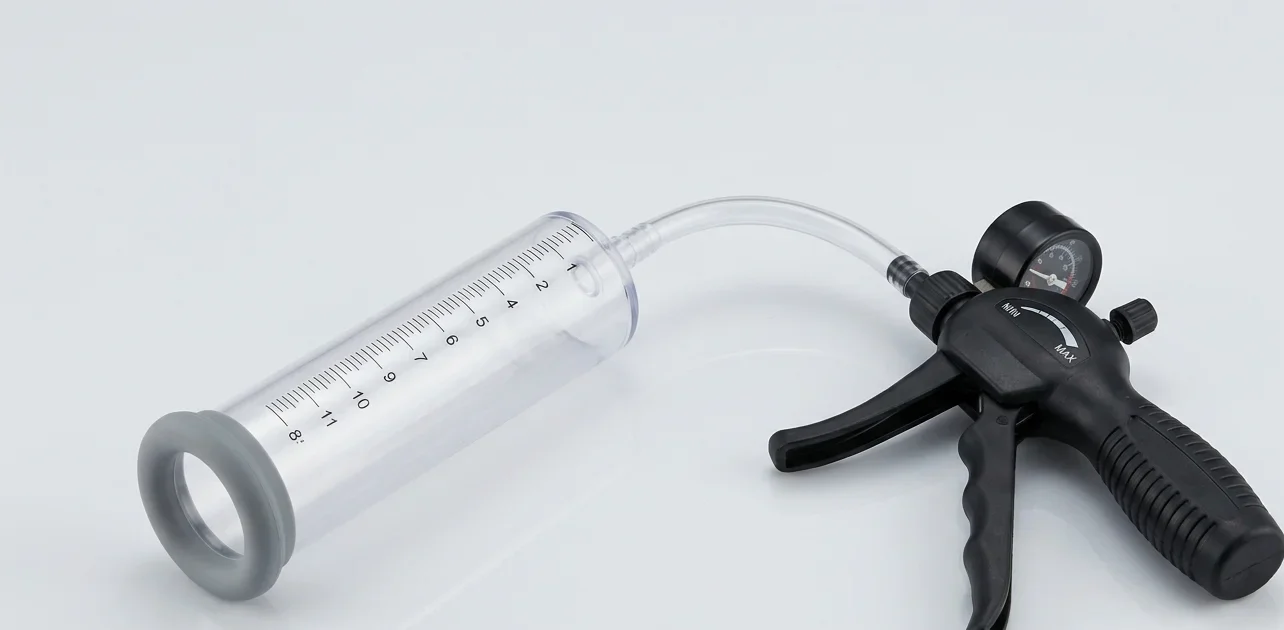
Medical aids
Medication
PDE-5 inhibitors: Sildenafil (Viagra), Tadalafil (Cialis)
Hormone therapy: Testosterone Substitution in Deficiency
Psychological assistance
Prevention: How does the penis stay stiff?
Regular health checks – especially in cardiovascular diseases
Healthy diet and exercise
Avoid risk factors Smoking, alcohol, drugs
Maintaining mental health – Stress reduction, therapy as needed
Medical aids e.g. Penixtend Extender
Myths vs Facts
Myth: Only older men have problems with erection
Myth: Erection problems are always mental
Myth: Medications cure the cause
Tips for partners
Studies
Studies show that:
Men with cardiovascular diseases more likely to have erection problems
Testosterone substitution improves erectile function in deficiency
Psychological support increases the success rate of PDE-5 inhibitors
Conclusion
One Stiff penis is a sign of sexual and physical health. Problems such as penis does not become stiff or penis does not remain stiff can have many causes: circulatory disorders, hormonal deficits, psychological stress or medication. Lifestyle changes, medical aids such as the Penixtend Extender and professional help can significantly improve erectile function.
FAQs
How often should a penis become stiff?
Healthy men have spontaneous erections in their sleep several times a night. These nocturnal erections are considered to indicate a normal function of blood vessels, hormones and nerves.
What to do if the penis does not become stiff?
First, a doctor should clarify possible physical causes. Often, lifestyle changes such as sports, healthy eating and stress reduction also help.
Can a Penixtend Extender help?
Yes, the Penixtend Extender Supports blood circulation and promotes stability. It can help to improve penis function in the long term.
Does stress affect erectile function?
Stress interferes with signal transmission between the brain and penis. Relaxation, adequate sleep and open communication with your partner can be helpful.
What medications help?
PDE-5 inhibitors such as sildenafil or tadalafil increase the ability to erect.
Are blood problems often the cause?
Yes, vascular damage from high blood pressure, diabetes or smoking are among the most common causes. Healthy lifestyle significantly reduces the risk.
Can testosterone deficiency affect erection?
Low testosterone levels weaken libido and erection. Typical signs are fatigue, muscle weakness and less sexual desire.
What prevention is effective?
Regular sport, healthy eating and abstaining from smoking are effective methods. Stress reduction and good sleep habits are also important.