


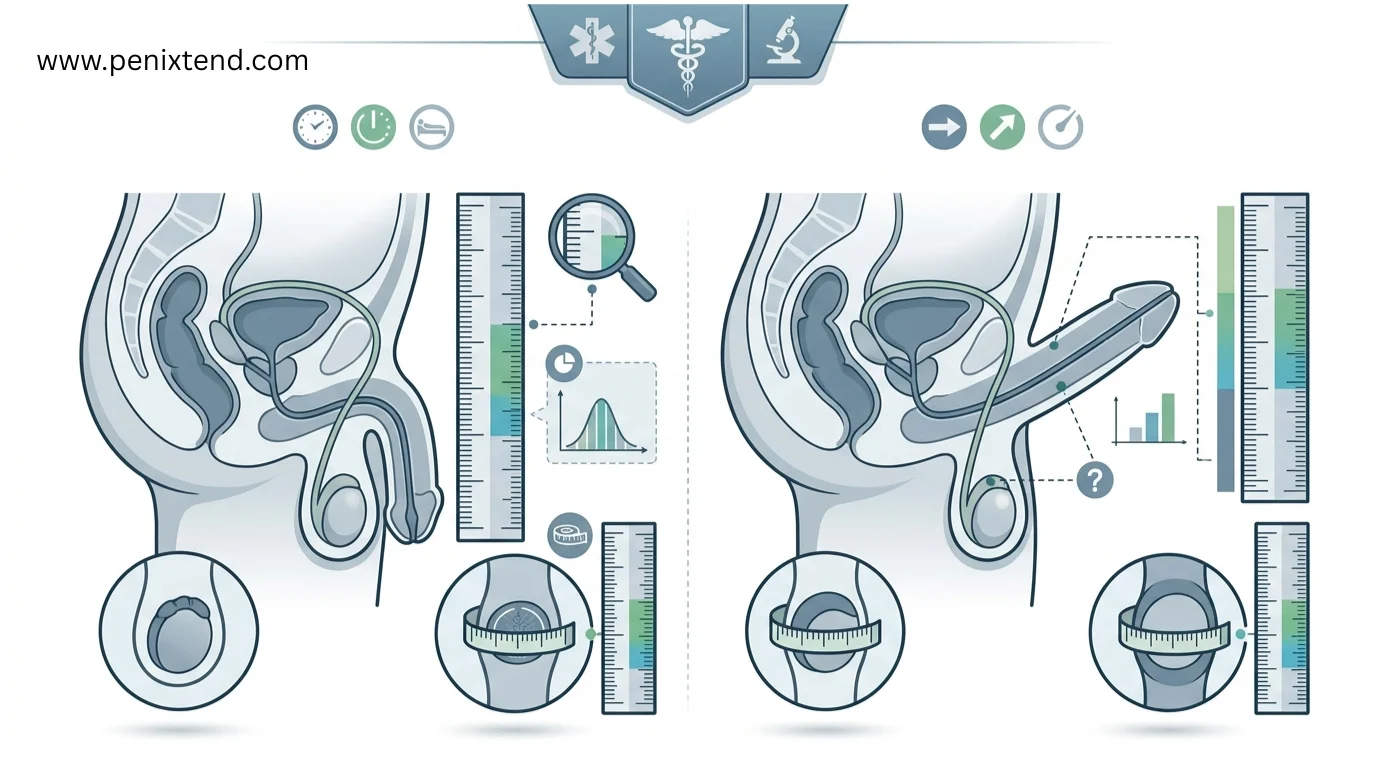
Penis size man: scientific facts, averages and medical classification
Short answer
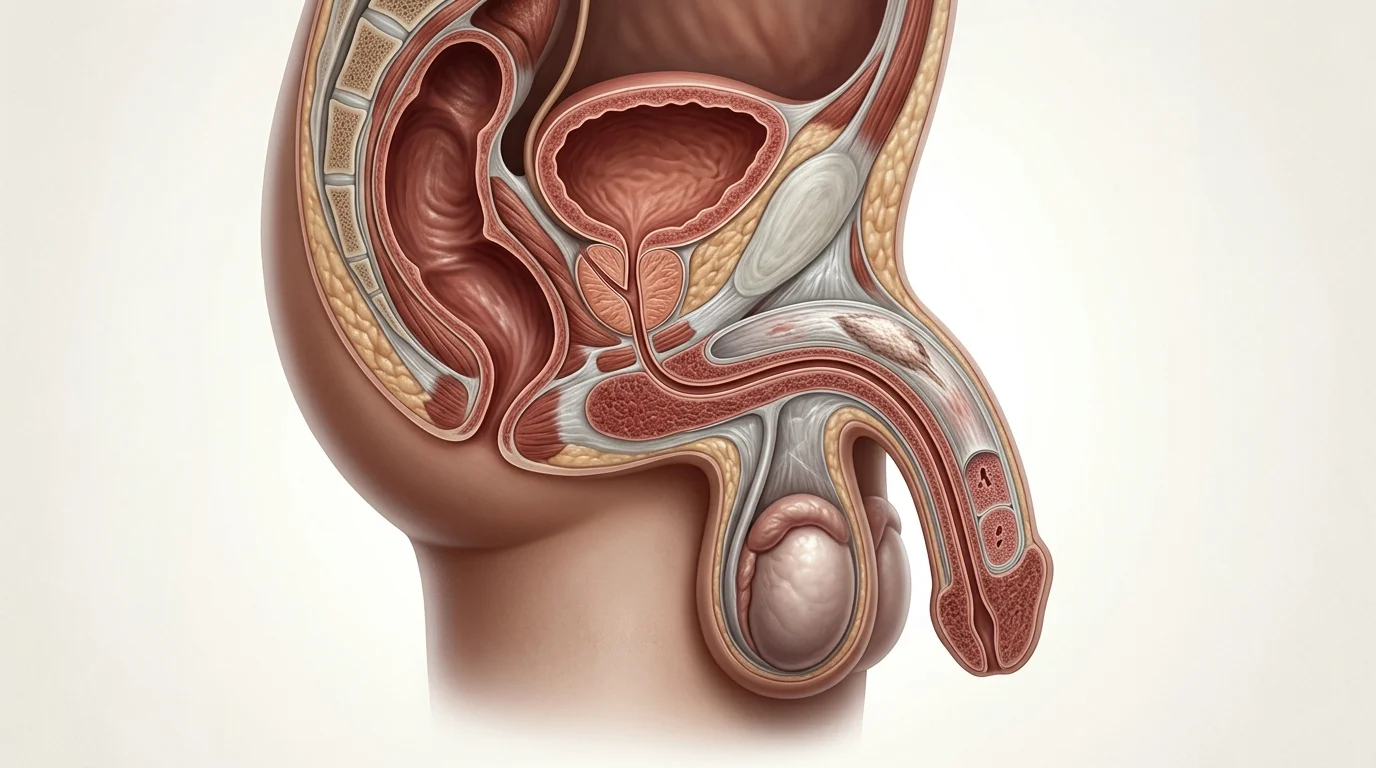
The penis size man According to international urological studies, the erect state averages around 13 centimeters. Most men move within a normal range. However, the decisive factor is not individual centimeters, but individual anatomy, function and personal well-being.
Why do they employ penis size So many men?
The question of the penis size man is one of the most common topics in urological consultation hours. Many men want to know if their anatomy is the medical average or if there is cause for concern. At the same time, numerous conflicting information circulates on the Internet, which creates uncertainty instead of clarity.
Not infrequently, self-doubt arises through comparisons with unrealistic representations from pornography or social media. However, this content does not show a representative selection of the male population and is therefore not suitable as Objective scale.
Modern medical studies today enable a much more realistic assessment. They show that most men have completely normal anatomical development.
What do scientific studies say about the penis size Man?
The most comprehensive scientific study to date is based on the measurement data of more than 15,000 men. In contrast to Internet surveys, all measurements were carried out under standardized medical conditions. As a result, the results are considered to be significantly more reliable than self-declarations.
Research shows that the penis size man within a natural biological range. Small differences between individuals are completely normal and usually have no effect on health or sexual function.
Experts also point out that genetic factors, hormones during development and the general physique can influence individual anatomy.
penis size on average – The most important measured values
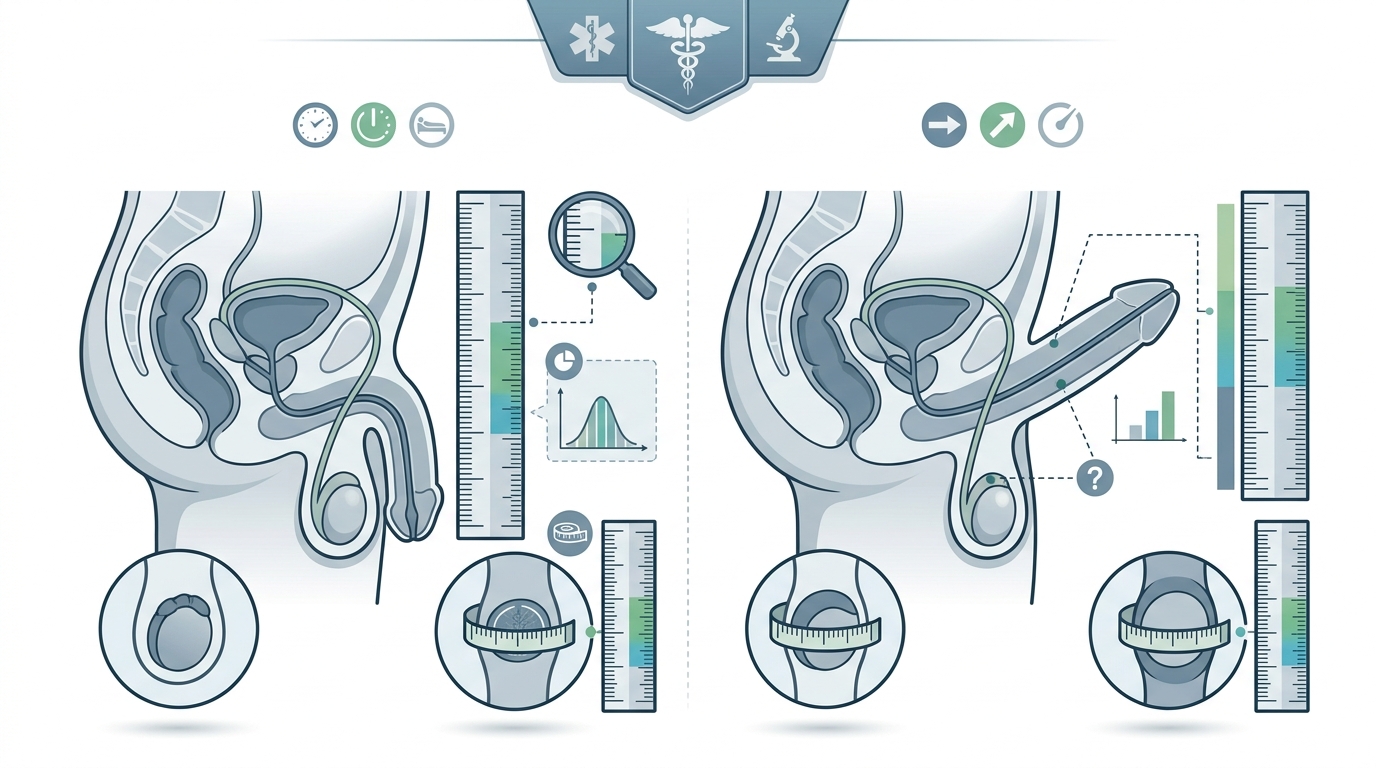
International studies provide a good overview of the penis size on average. Specialists distinguish between several measurement methods, since limp and erect values are different.
| Measurement status | Average length | Average size |
|---|---|---|
| Slack | approx. 9,2 cm | ca. 9,3 cm |
| Stretched | Approximately 13.2 cm | – |
| Erect | about 13.1 cm | approx. 11.6 cm |
These averages do not mean that every man must possess exactly these measures. Rather, they are statistical averages within which there is a natural dispersion.
From a medical point of view, deviations within this range are considered inconspicuous in most cases.
What does normal penis size really mean?
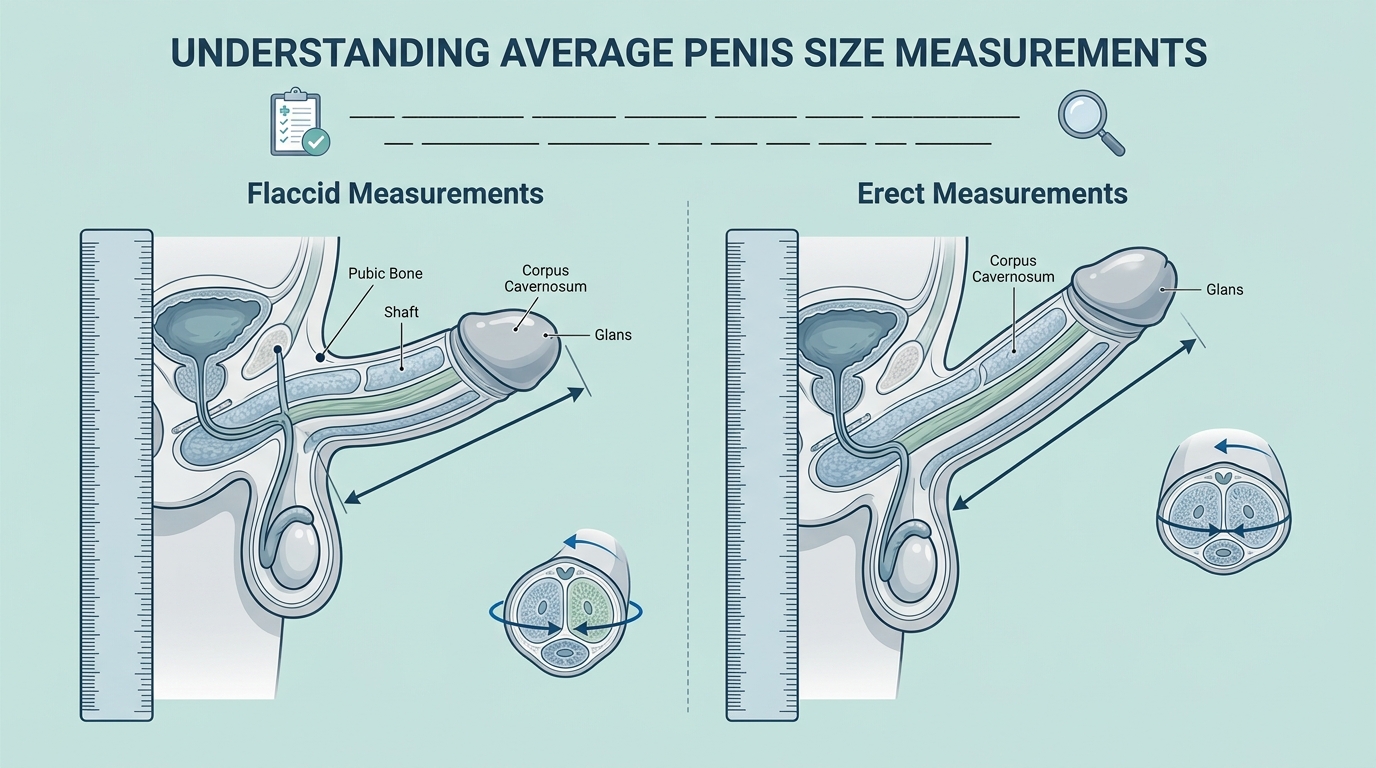
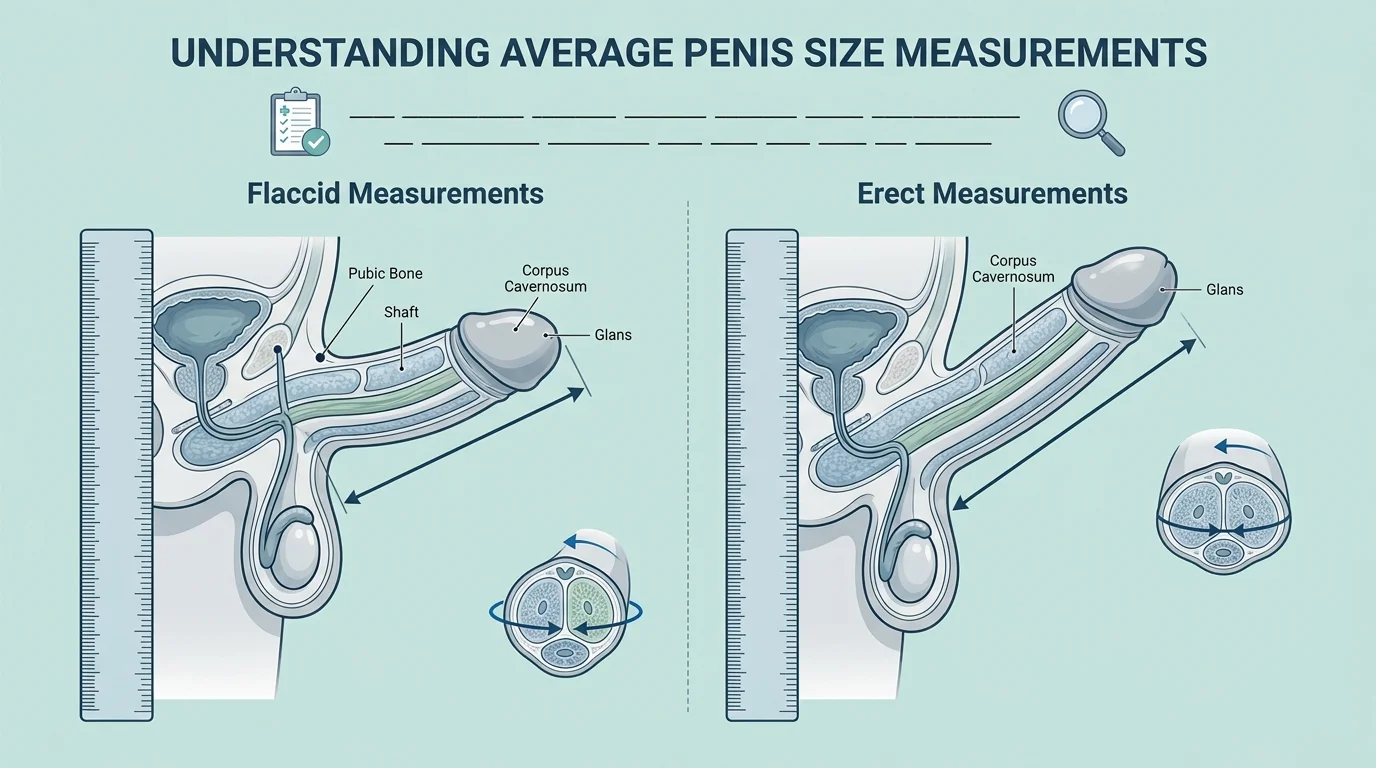
Many men assume that there is a fixed ideal size. Medically, however, this assumption cannot be confirmed.
The normal penis size Rather, it covers a larger area where function, development and anatomy are considered healthy. Therefore, doctors do not exclusively assess the length, but take into account other factors such as:
- Physical development
- hormonal history
- Erectile function
- possible complaints
- individual anatomy
Only if additional medical abnormalities occur, a further examination can be useful.
Why do many men underestimate their own size?
The perception of one's own body often does not correspond to the actual measured values.
Several scientific studies show that men often judge their anatomy more critically than objective measurements suggest.
The perspective changes the impression
Your own body is mainly viewed from above. As a result, the penis appears optically shorter than in a frontal view.
This perspective effect is scientifically known and explains part of the uncertainty of many men.
Pornography conveys unrealistic expectations
Ein weiterer Grund für falsche Vergleiche liegt im Konsum pornografischer Inhalte.
Darsteller werden häufig gezielt nach außergewöhnlichen körperlichen Merkmalen ausgewählt. Zusätzlich beeinflussen Kameraperspektiven, Beleuchtung und Bildbearbeitung den optischen Eindruck.
Wer diese Darstellungen mit dem Alltag vergleicht, entwickelt leichter ein unrealistisches Bild der eigenen penis size man.
Selbstmessungen liefern oft ungenaue Ergebnisse
Auch die Art der Messung beeinflusst das Ergebnis erheblich.
Studien zeigen, dass Selbstmessungen häufig von standardisierten klinischen Messungen abweichen. Bereits kleine Unterschiede bei der Messmethode können das Resultat verändern.
Aus diesem Grund orientieren sich Urologen ausschließlich an international anerkannten Messstandards.
Wie wird die Penisgröße medizinisch korrekt gemessen?
Für wissenschaftliche Untersuchungen existiert ein einheitliches Messverfahren.
Die Länge wird auf der Oberseite des Penisschafts von der Schambeinwurzel bis zur Spitze der Eichel gemessen. Dabei wird vorhandenes Fettgewebe im Schambereich leicht eingedrückt, um vergleichbare Ergebnisse zu erhalten.
Diese standardisierte Vorgehensweise ermöglicht es, unterschiedliche Studien zuverlässig miteinander zu vergleichen.
Wer seine eigenen Werte ermitteln möchte, sollte dieselbe Methode anwenden, um möglichst realistische Ergebnisse zu erhalten.
What factors affect the penis size?
Die Entwicklung erfolgt bereits während der Schwangerschaft und setzt sich bis zum Ende der Pubertät fort.
Zu den wichtigsten Einflussfaktoren zählen:
Genetic predisposition
Gene bestimmen einen großen Teil der körperlichen Entwicklung und wirken sich auch auf die Penisgröße aus.
Hormone development
Ein ausgewogenes hormonelles Gleichgewicht während Kindheit und Pubertät spielt eine wichtige Rolle für das normale Wachstum.
Allgemeiner Körperbau
Körpergröße und Fettverteilung können den optischen Eindruck verändern, erlauben jedoch keine zuverlässigen Rückschlüsse auf die tatsächliche Anatomie.
Hat die Größe Einfluss auf das Sexualleben?
Viele Männer setzen die penis size man automatisch mit sexueller Leistungsfähigkeit gleich.
Die wissenschaftliche Forschung zeichnet jedoch ein differenzierteres Bild.
Studien deuten darauf hin, dass für die sexuelle Zufriedenheit häufig andere Faktoren wichtiger sind als einzelne Zentimeter. Dazu gehören unter anderem:
- Communication
- Trust
- emotional proximity
- gegenseitige Wünsche
- sexual experience
Die Anatomie allein entscheidet daher weder über eine erfüllte Partnerschaft noch über die sexuelle Zufriedenheit.
Wann ist eine medizinische Untersuchung sinnvoll?
Die meisten Männer benötigen aufgrund ihrer Anatomie keine Behandlung. Dennoch gibt es Situationen, in denen eine urologische Untersuchung sinnvoll sein kann. Dazu gehören beispielsweise anhaltende Schmerzen, eine deutliche Veränderung der Form, Probleme bei der Erektion oder eine erhebliche psychische Belastung durch die eigene Körperwahrnehmung.
Eine fachärztliche Untersuchung dient nicht dazu, Schönheitsideale zu bewerten, sondern mögliche medizinische Ursachen auszuschließen und eine objektive Einschätzung zu geben.
Kann die eigene Wahrnehmung täuschen?
Viele Männer empfinden ihre Anatomie als kleiner, obwohl sie sich im normalen Bereich befindet. Dieses Phänomen wird in der Medizin regelmäßig beobachtet.
Psychologen erklären dies unter anderem durch unrealistische Vergleiche und ein negatives Körperbild. Wer sich ständig mit Bildern aus Pornografie oder sozialen Medien vergleicht, entwickelt häufig Erwartungen, die mit der Realität wenig gemeinsam haben.
Studien zeigen außerdem, dass Männer ihre Körpermaße oft kritischer beurteilen als andere Menschen.
Körperbild und Selbstvertrauen
Das Selbstwertgefühl hängt nicht ausschließlich von körperlichen Merkmalen ab. Faktoren wie Partnerschaft, Kommunikation und persönliche Erfahrungen beeinflussen das eigene Körperbild häufig stärker als einzelne Zentimeter.
Deshalb empfehlen Fachärzte bei anhaltender Unsicherheit zunächst eine medizinische Beratung, bevor über weitere Maßnahmen nachgedacht wird.
Welche Möglichkeiten gibt es bei Unzufriedenheit?
Wer sich intensiv mit seiner Anatomie beschäftigt, stößt schnell auf zahlreiche Produkte und Behandlungsmöglichkeiten. Allerdings unterscheiden sich diese deutlich hinsichtlich wissenschaftlicher Evidenz und möglicher Risiken.
Nicht jede angebotene Methode führt zu den gewünschten Ergebnissen. Deshalb ist eine realistische Erwartungshaltung besonders wichtig.
operation zur penisvergrößerung – Welche Verfahren gibt es?

The operation zur penisvergrößerung gehört zu den komplexeren Eingriffen der plastischen und rekonstruktiven Urologie. Sie wird in der Regel erst nach einer ausführlichen Untersuchung und Beratung in Betracht gezogen.
Je nach Ausgangssituation kommen unterschiedliche Verfahren infrage.
Extension of the penis
Bei einer operativen Verlängerung wird häufig das Halteband des Penis teilweise durchtrennt. Dadurch kann ein bisher im Körper liegender Anteil sichtbarer werden.
Studien deuten darauf hin, dass sich vor allem im schlaffen Zustand eine sichtbare Verlängerung erreichen lässt. Im erigierten Zustand fällt der Unterschied häufig geringer aus.
Nach dem Eingriff kann eine längere Nachbehandlung erforderlich sein, um das Ergebnis zu unterstützen.
Enlargement of the circumference
Zur Vergrößerung des Umfangs werden unterschiedliche Verfahren eingesetzt.
These include, for example,:
- Own fat
- hyaluronic acid
- weitere Weichteiltechniken
Die Ergebnisse variieren individuell. Zusätzlich kann sich eingebrachtes Material mit der Zeit verändern oder teilweise abbauen. Langfristige wissenschaftliche Daten stehen für einige Verfahren weiterhin nur begrenzt zur Verfügung.
Welche Risiken sind möglich?
Like any operation, operation zur penisvergrößerung risks.
Mögliche Komplikationen können unter anderem sein:
- Infections
- Bleeding
- Scarring
- Sensibilitätsstörungen
- Asymmetrien
- unzufriedenstellende ästhetische Ergebnisse
- Einschränkungen der Funktion
Aus diesem Grund empfehlen medizinische Fachgesellschaften eine sorgfältige Nutzen-Risiko-Abwägung sowie eine ausführliche ärztliche Aufklärung.
Vergleich verschiedener Behandlungsmöglichkeiten
| Methodology | Objective | Scientific evidence | Mögliche Risiken |
|---|---|---|---|
| Traktionssysteme | Extension | Studien deuten auf moderate Effekte hin | Skin irritation in incorrect application |
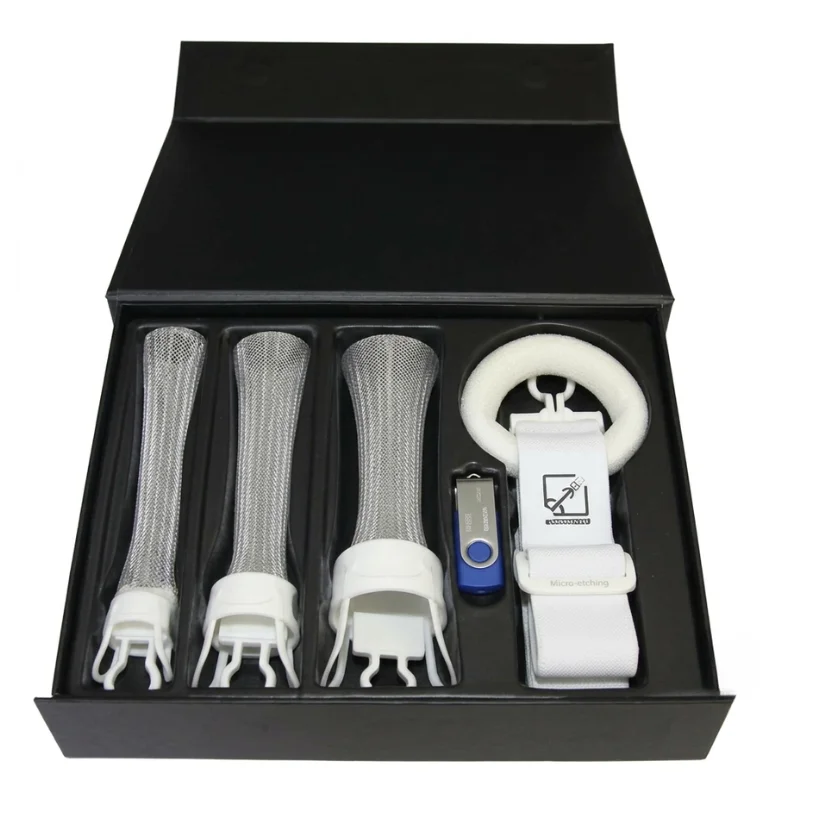
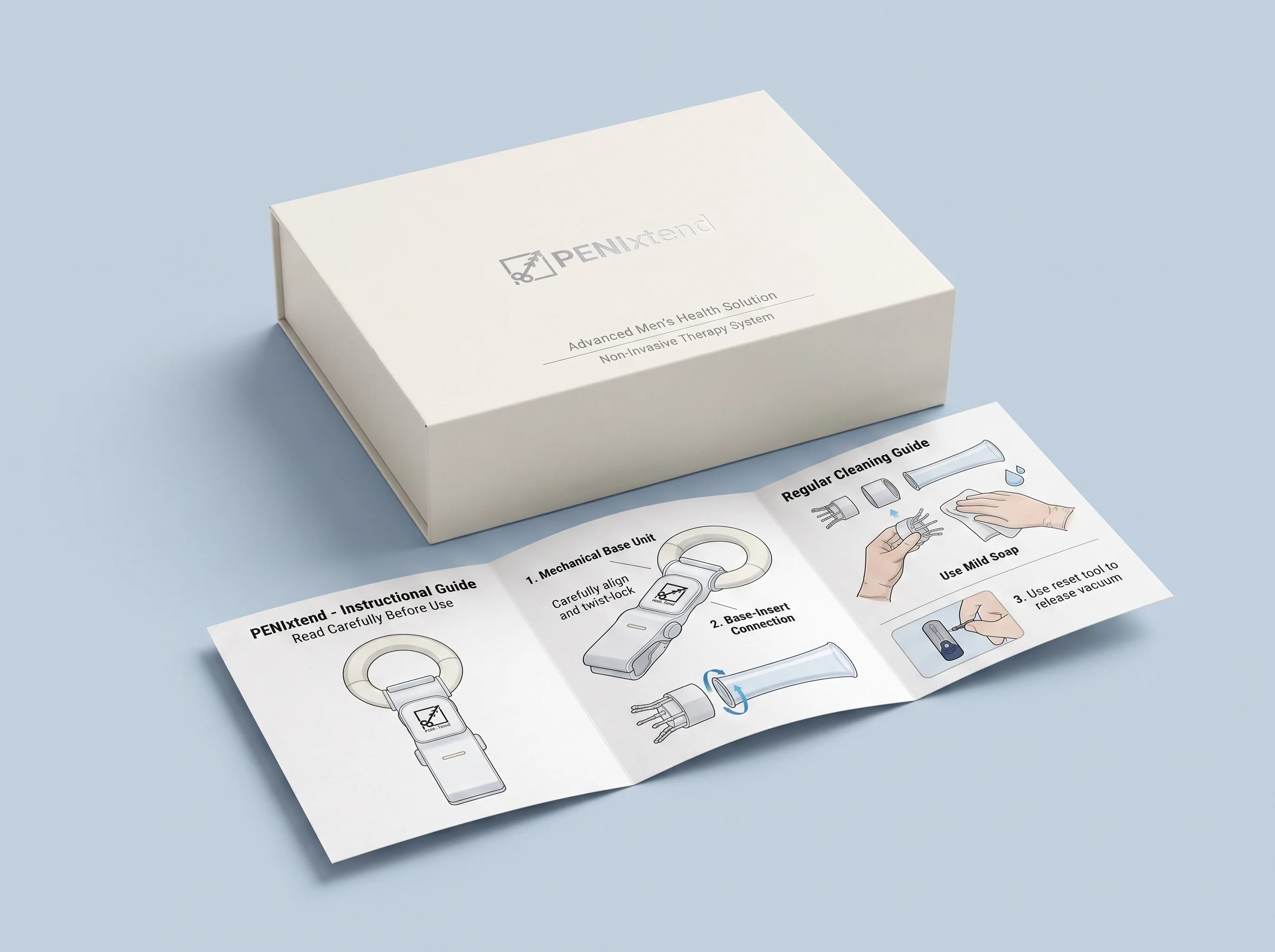
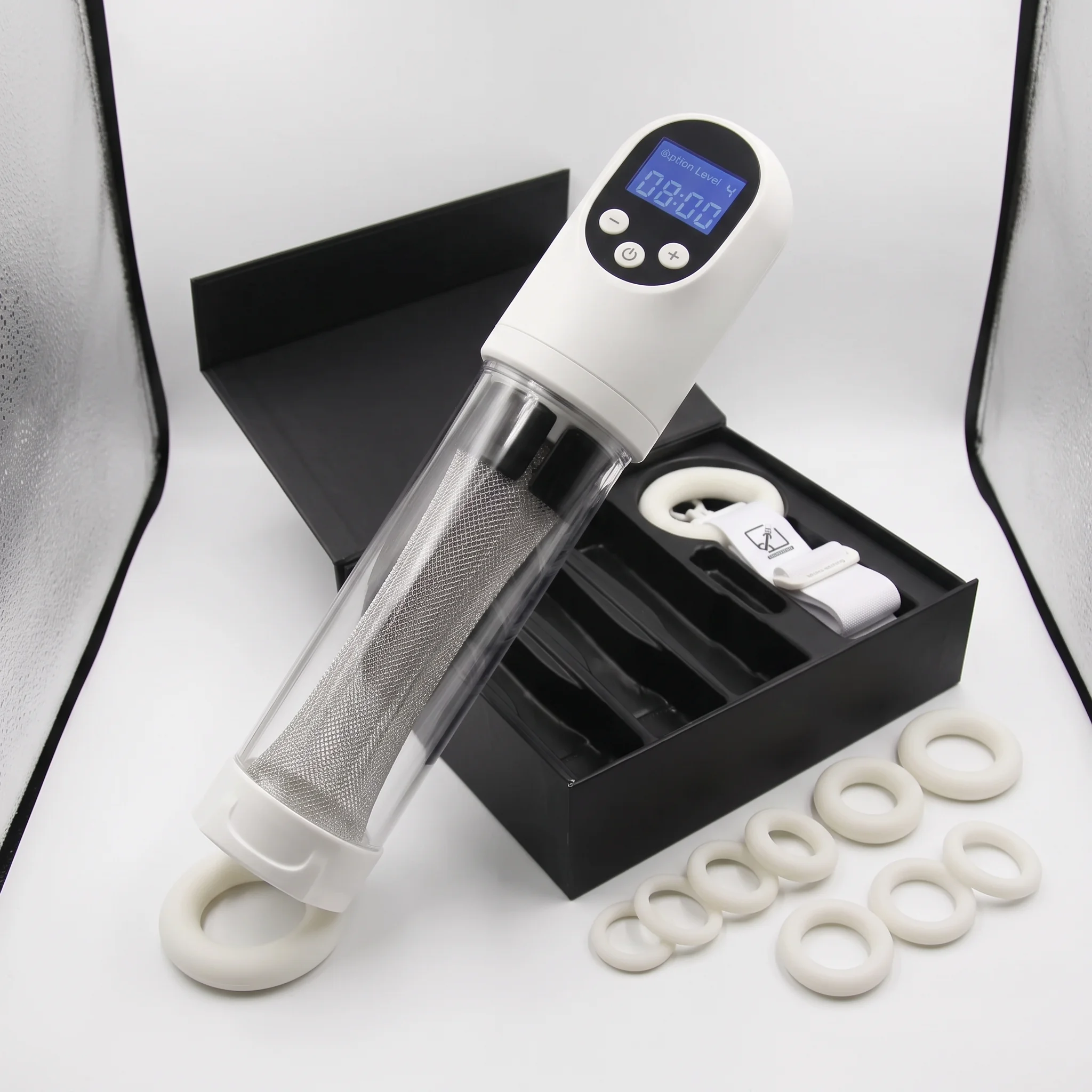
| Vacuum pumps | Support for blood circulation | Medizinisch etabliert bei bestimmten Indikationen | Keine dauerhafte Größenveränderung nachgewiesen |
| Exercises | Unterschiedliche Ziele | Wissenschaftlich nicht ausreichend belegt | Verletzungen bei unsachgemäßer Anwendung |
| operation zur penisvergrößerung | Verlängerung oder Umfang | Results vary individually | Operations- und Heilungsrisiken |
Welche Erwartungen sind realistisch?
Viele Männer hoffen auf deutliche Veränderungen. Die wissenschaftliche Literatur zeigt jedoch, dass Ergebnisse individuell unterschiedlich ausfallen können.
Ob eine Behandlung sinnvoll ist, hängt von mehreren Faktoren ab, darunter:
- körperliche Voraussetzungen
- gewählte Methode
- Heilungsverlauf
- personal expectations
Ein seriöser Facharzt wird daher keine garantierten Ergebnisse versprechen, sondern Chancen und mögliche Grenzen transparent erläutern.
Was empfehlen medizinische Experten?
Urologen raten grundsätzlich dazu, zunächst eine objektive medizinische Einschätzung einzuholen. In vielen Fällen zeigt sich bereits während der Untersuchung, dass die gemessenen Werte der penis size on average entsprechen und eine normal penis size vorliegt.
Erst wenn tatsächlich medizinische Auffälligkeiten bestehen oder die Lebensqualität erheblich eingeschränkt ist, kann gemeinsam über mögliche Behandlungsschritte entschieden werden.
Conclusion

The penis size man unterscheidet sich von Person zu Person und bewegt sich in den meisten Fällen innerhalb eines natürlichen Bereichs. Internationale Studien zur penis size on average zeigen, dass erhebliche Abweichungen deutlich seltener sind, als viele Männer vermuten.
Wer sich dennoch dauerhaft unsicher fühlt, sollte zunächst das Gespräch mit einem erfahrenen Urologen suchen. Eine fachärztliche Untersuchung kann klären, ob eine normal penis size vorliegt oder ob weitere Untersuchungen sinnvoll sind. Falls eine operation zur penisvergrößerung überhaupt infrage kommt, sollte sie ausschließlich nach umfassender Beratung sowie einer realistischen Nutzen-Risiko-Abwägung erfolgen.
Frequently Asked Questions (FAQ)
1. Wie groß ist die penisgrösse mann im Durchschnitt?
The average penis size man beträgt laut internationalen Studien im erigierten Zustand etwa 13 Zentimeter. Im schlaffen Zustand liegt der Mittelwert bei rund 9 Zentimetern. Individuelle Unterschiede sind vollkommen normal und bedeuten nicht automatisch eine gesundheitliche Auffälligkeit.
2. Was versteht man unter einer normale penisgrosse?
One normal penis size umfasst keinen einzelnen Zentimeterwert, sondern einen natürlichen Bereich. Urologen beurteilen dabei nicht nur die Länge, sondern auch Funktion, Entwicklung und mögliche Beschwerden.
3. Wie wird die Penisgröße richtig gemessen?
Die Messung erfolgt auf der Oberseite des Penisschafts von der Schambeinwurzel bis zur Spitze der Eichel. Dabei wird das Fettgewebe am Schambein leicht eingedrückt, um vergleichbare Ergebnisse zu erhalten.
4. Beeinflusst die penisgröße im durchschnitt die sexuelle Zufriedenheit?
Studien deuten darauf hin, dass die penis size on average nur einer von vielen Faktoren ist. Kommunikation, Vertrauen, emotionale Nähe und gegenseitige Bedürfnisse spielen häufig eine deutlich größere Rolle für ein erfülltes Sexualleben.
5. Kann eine operation zur penisvergrößerung die Länge dauerhaft verändern?
One operation zur penisvergrößerung kann je nach Verfahren Veränderungen bewirken. Die Ergebnisse variieren jedoch individuell. Auch mögliche Risiken und der Heilungsverlauf sollten vor einer Entscheidung ausführlich mit einem Facharzt besprochen werden.
6. Sind Übungen oder Hilfsmittel wissenschaftlich belegt?
Für einige Traktionssysteme gibt es Hinweise auf mögliche Effekte. Für viele andere Methoden fehlen jedoch belastbare wissenschaftliche Nachweise. Weitere Forschung ist erforderlich, um langfristige Ergebnisse besser beurteilen zu können.
7. When should I visit a urologist?
Eine Untersuchung ist sinnvoll, wenn Schmerzen, Formveränderungen, Erektionsprobleme oder eine starke psychische Belastung auftreten. Ein Urologe kann beurteilen, ob medizinischer Handlungsbedarf besteht.
8. Können Pornografie und soziale Medien die Wahrnehmung beeinflussen?
Ja. Beide zeigen häufig unrealistische Darstellungen des männlichen Körpers. Dadurch können falsche Erwartungen entstehen, die das eigene Körperbild negativ beeinflussen.
9. Gibt es einen Zusammenhang zwischen Körpergröße und Penisgröße?
Bisherige wissenschaftliche Untersuchungen konnten keinen zuverlässigen Zusammenhang zwischen Körpergröße, Schuhgröße oder Fingerlänge und der Penisgröße nachweisen.
10. Übernimmt die Krankenkasse eine operation zur penisvergrößerung?
In den meisten Fällen handelt es sich um einen ästhetischen Eingriff. Deshalb werden die Kosten in der Regel nicht von der gesetzlichen Krankenkasse übernommen. Ob Ausnahmen bestehen, hängt von der medizinischen Diagnose und den individuellen Voraussetzungen ab.