



Thick long tail: Facts, Size & natural possibilities
One thick long tail is a sensitive topic for many men, closely associated with self-confidence, body image and sexual satisfaction. But what does "big" really mean? And are there scientifically sound ways to influence the size?
In this article you will find everything important – from average size to measurement methods to natural possibilities for improvement.
Before dealing with natural possibilities, it is worth understanding which Penis circumference is considered normal and how it is measured correctly. In our detailed guide to Penis circumference you will find scientifically sound information on average values and measurement methods.
What does a fat long cock really mean?
Many men compare themselves with unrealistic representations from media or internet. It is important to understand:
- Perception ≠ Reality
- Size alone does not determine satisfaction
- Self-confidence plays a greater role
One tail is often associated with strength or attractiveness, but medically considered the span is completely normal.
Average size of a penis
Studies show that the average size is relatively similar worldwide.
According to an analysis British Journal of Urology International the average length is:
- Erect: approx. 13–14 cm
- Sleep: approx. 9–10 cm
- External source: British Journal of Urology International Study on Penis Size
- External source: NHS (National Health Service) – Physical development at the man
- External source: Mayo Clinic – Men's Health & Physical Perception
One thick big dick is therefore often only slightly above this average.
In addition to the length, the Penis circumference an important role. How the circumference is measured correctly and which average values are considered normal, we explain in detail in our guide to the Penis circumference.
cock size – How important is she really?
The question of the cock size employs many men.
Reality:
- For most partners is emotional connection important
- Technology & communication play a bigger role
- Excessive focus can increase uncertainty
Studies show:
- Only a small part rated size as crucial
- Satisfaction depends more on trust
jago measuring – That's right
Many men measure wrong – this leads to false expectations.
If you additionally The circumference of the penis If you want to determine correctly, you will find in our guide to Penis circumference a step-by-step guide.
Instruction:
- Set the ruler at the top
- Measuring up to the tip
- Measure in solid state
- Apply light pressure (repellent padding)
That's what they call Bone-Pressed Method
Why do many men want a bigger penis?
Reasons are often psychological:
- Comparison with other
- Media & unrealistic images
- Self-doubt
One very big cock is often presented as an ideal – but this image is distorted.
Natural ways to improve
If you want to optimize your body, there are some safe approaches:
Whether progress can actually be measured, you only know by the correct measurement of the Penis circumference. Our detailed guide will show you what to look for.
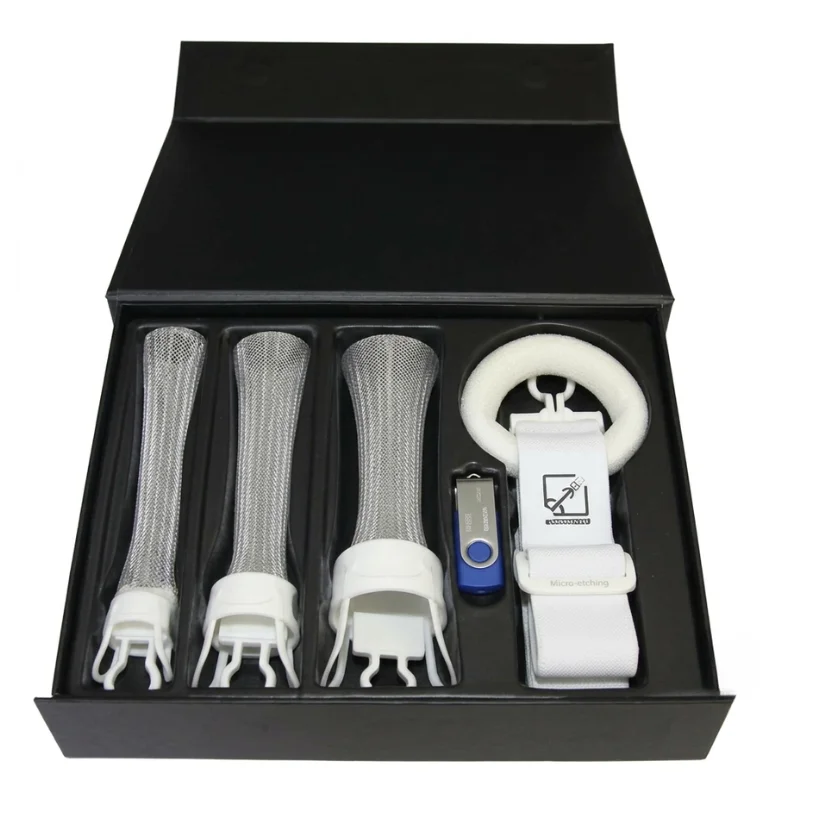
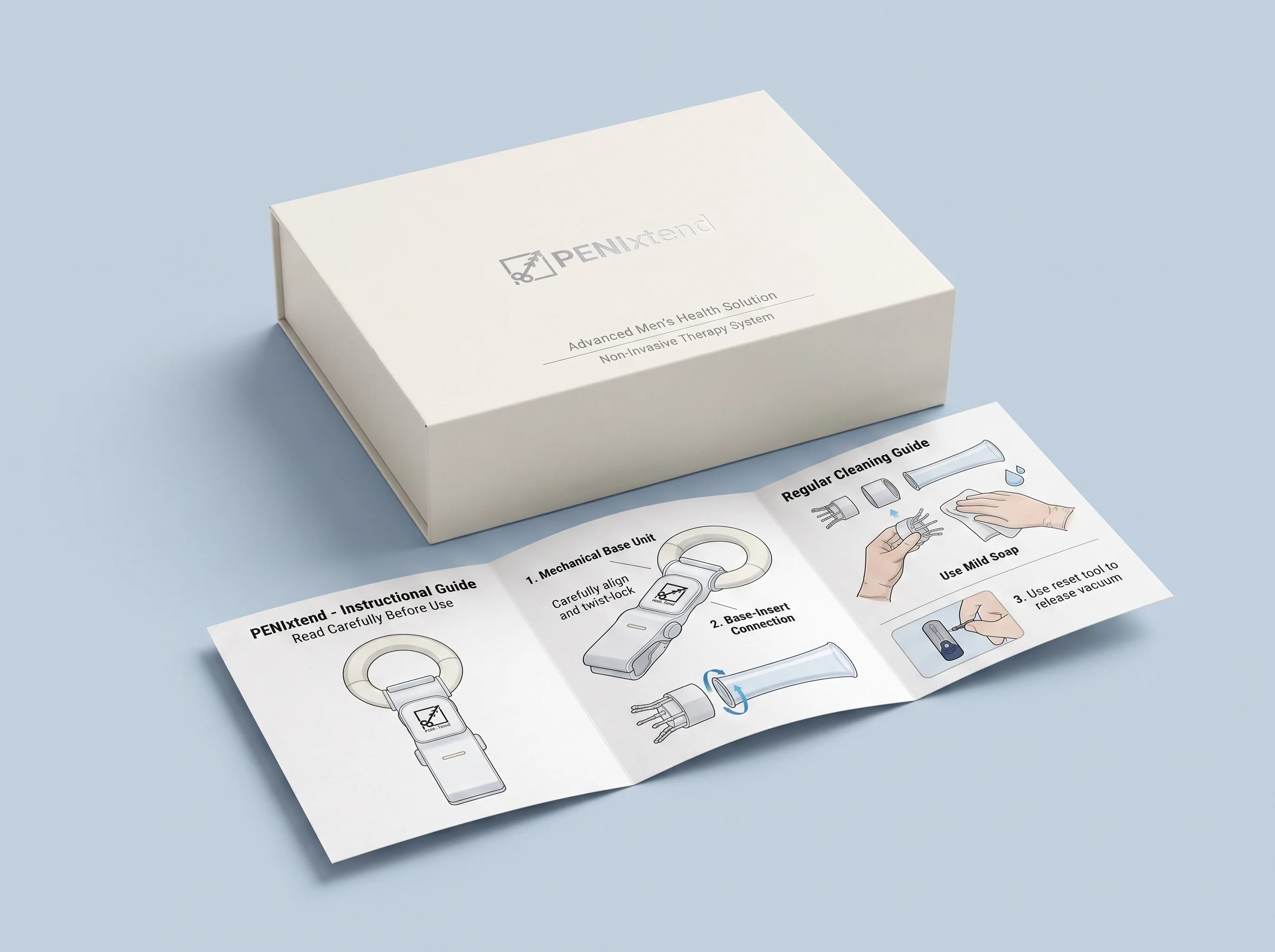
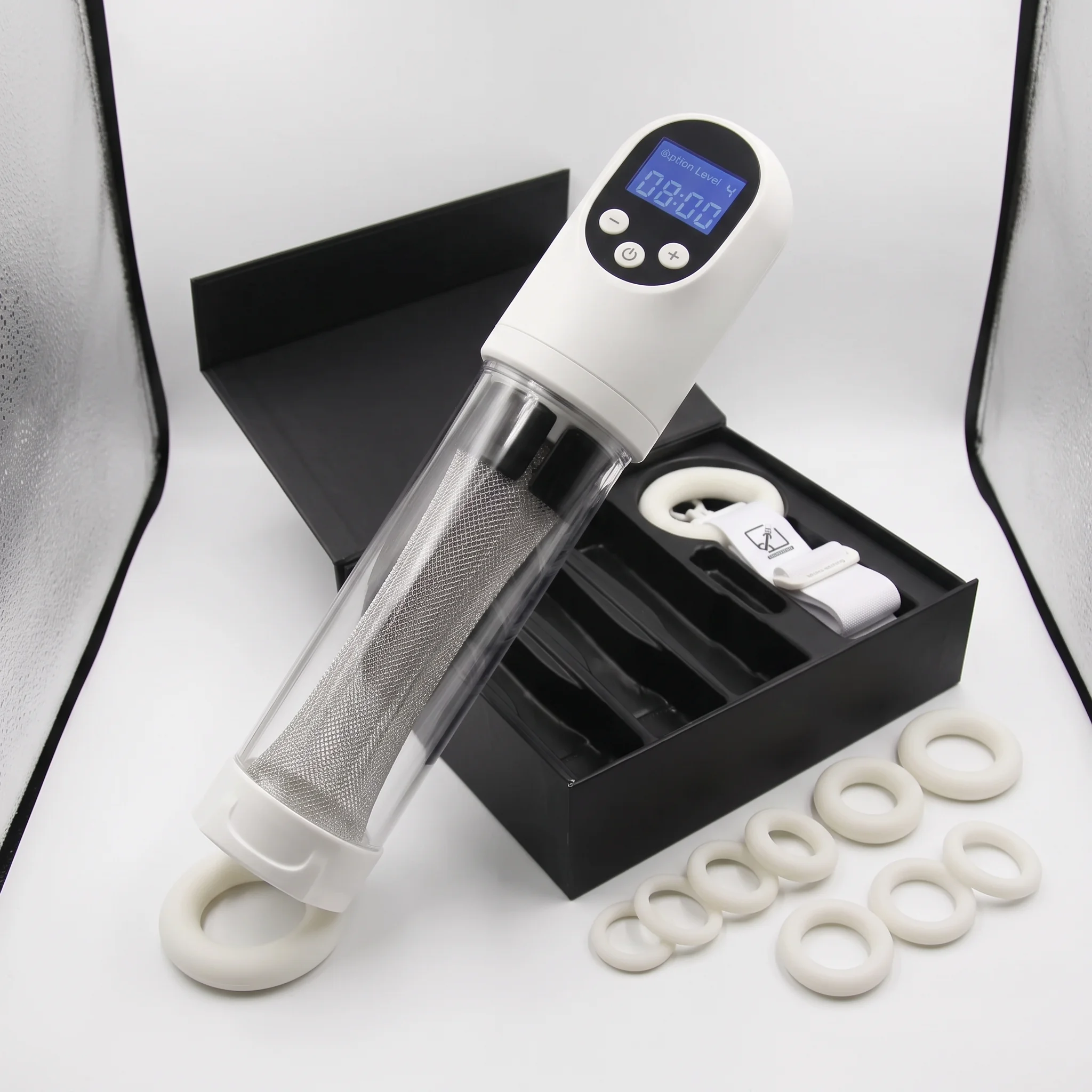
1. penis extender
- Stretches fabric in the long term
- Scientific research
- Continuous application necessary
Penis Natural Renewal Guide
Two. Jelqing exercises
- Promotes circulation
- Can improve visual volume
Jelqing exercises step by step
3. Weight reduction
- abdominal fat cover penis
- Visible length can increase
4. blood flow
- Sport
- Healthy nutrition
- No smoking
Myths about large penises
Many myths persist:
"The bigger, the better"
"Only big men are attractive"
"You can quickly achieve extreme results"
Reality: Changes need time and discipline.
Risks of fast solutions
Avoid:
- Untested pills
- Fake products
- insecure interventions
Enlarge penis without surgery – safe methods
Psychological aspects
One larger dick is often connected to self-value.
But it is important:
- Self-acceptance
- Realistic expectations
- Focus on overall health
How does size influence sex life?
Studies show:
- Technology more important than size
- Communication
- Trust increases satisfaction
One big dick alone does not guarantee better experience.
When is a penis too big?
Yes, there is.
Problems can be:
- Pain at partner
- Restrictions on certain positions
Conclusion
One thick long tail is not a must for satisfaction or success. More important are:
- Health
- Self-confidence
- Communication
If you still want to optimize, set safe and natural methods.
FAQ – Frequently Asked Questions
How big is the largest documented penis in the world?
Reports about exceptionally large penises exist, however, represent rare individual cases and are not medically representative. For most men, such extremes are not a meaningful comparison, since the Normal penis size is within a wide range.
Can the penis be permanently enlarged?
The possibilities of permanent penis enlargement are limited. Some methods like Penis extenders are scientifically investigated and can cause moderate changes when applied consistently. Miracle solutions or fast results should be considered critical.
What is considered normal penis size?
Studies show that the average erected penis size in many men is in the range from about 12 to 16 centimeters. Individual differences are normal and do not automatically mean a medical problem.
If you add the length to the Penis circumference If you want to measure correctly and compare with average values, you will find all important information in our detailed guide to Penis circumference.
Are penis extenders safe?
High-quality penis extenders are considered safe when used correctly. It is important to observe the manufacturer's specifications and to avoid excessive train or unrealistic usage times.
When are first results visible?
Possible changes usually do not appear within a few days. If results occur, they are usually visible only after several weeks or months of consistent application.
Is the penis size crucial for sexual satisfaction?
Research shows that factors such as communication, trust, intimacy and sexual technology often have a greater impact on satisfaction than the pure penis size.
Can training and lifestyle make a difference?
Regular exercise, a healthy body weight and good blood circulation can support general sexual well-being. This allows the penis to appear visually fuller without the actual anatomy changing.
What are the risks of uncertain enlargement methods?
Non-tested methods, aggressive stretching techniques or questionable products can cause pain, injuries, bruises or long-term tissue damage. Therefore, only safe and well documented procedures should be considered.
When should I see a doctor?
Those who suffer from pain, erection problems, noticeable changes or severe mental stress due to their penis size should be advised by a urolog. A technical assessment can help to clarify uncertainties and discuss appropriate options.
Are there any natural ways to improve the appearance of the penis?
Yes. Weight reduction in overweight, a healthy way of life and the care of the intimate region can help to make the penis look larger. These measures often also improve general self-confidence.